
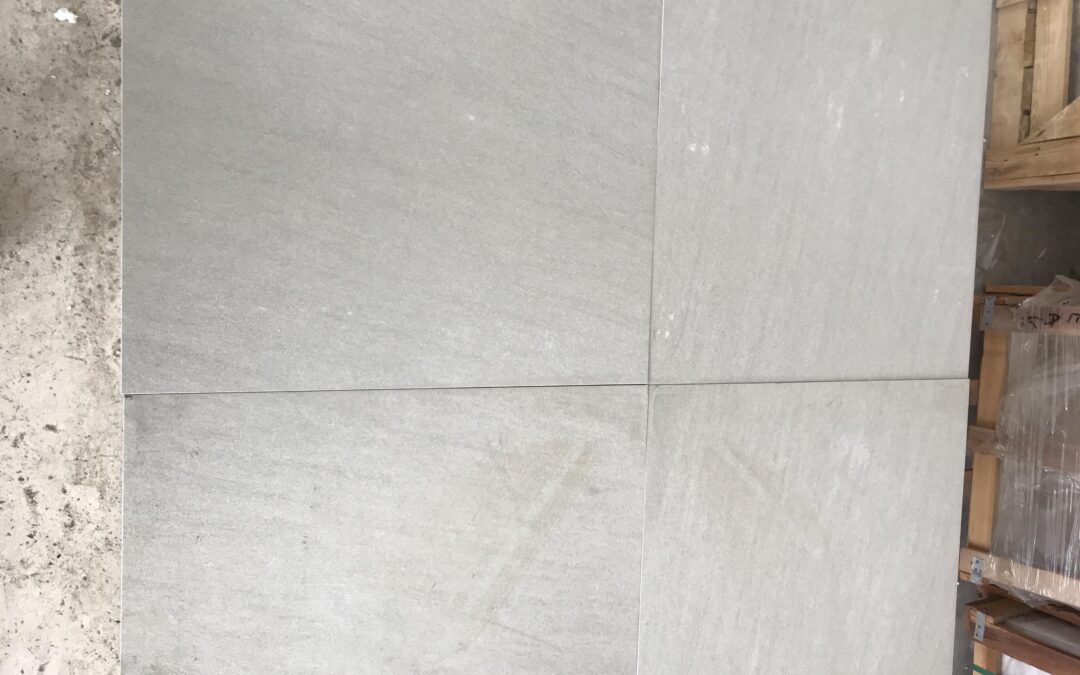
Porcelain paving in Melbourne has shifted from a high-end luxury to a genuinely mainstream outdoor flooring choice. Melbourne homeowners are choosing it for patios, driveways, pool surrounds, and garden paths – often in preference to traditional stone. But is it truly the smarter long-term decision? Or does natural stone still hold the edge where it matters most? This guide cuts through the marketing noise. It covers slip ratings, real cost comparisons, pool-area suitability, installation requirements, and the specific performance demands of Melbourne’s famously unpredictable climate.
By the end, you will know exactly whether porcelain suits your project, your budget, and your lifestyle – or whether a natural alternative from Domko’s range makes more practical sense.
What Outdoor Porcelain Actually Is – And Why It Behaves Differently to Tiles
Most people picture bathroom tiles when they hear “porcelain.” However, outdoor porcelain pavers are an entirely different product category. They are fired at extremely high temperatures – typically above 1,200 degrees Celsius – which results in a material with a water absorption rate of less than 0.5 per cent. That makes them far denser than ceramic tiles, and denser than most natural stone options too.
Specifically, outdoor-grade porcelain used across Melbourne projects is manufactured at 20mm thickness as a standard for pedestrian and light vehicular applications. This distinguishes them clearly from indoor porcelain tiles, which are typically 10mm or 12mm and unsuitable for outdoor load-bearing use.
According to Wikipedia’s overview of porcelain tile manufacturing, the high-fire sintering process bonds the silica and clay mixture at a molecular level – producing a surface that resists frost, thermal shock, UV degradation, and staining without any sealing required.
Verified Fact – Source: CSIRO / AS 4586:2013 Australian Standards
Australian Standards for slip resistance in pedestrian surface materials classify outdoor paving into Slip Resistance Categories. The relevant standard (AS 4586) requires a minimum P3 wet pendulum rating for pool surrounds and outdoor step nosings. Quality outdoor porcelain rated R11 or higher typically meets or exceeds this threshold. Always request test certification from your supplier before purchasing for pool areas.
Currently, Domko stocks porcelain pavers in four popular colourways suited to Melbourne’s outdoor aesthetic – Grey, Ivory, Mango, and Black – all available in the 600x600x20mm outdoor specification.
Melbourne’s Climate and Why It Matters for Paving Choice
Melbourne experiences what meteorologists classify as a temperate oceanic climate. In practice, that means extreme heat days exceeding 40 degrees Celsius in summer, sharp cold snaps in winter, and rapid temperature swings that can span 25 degrees within a single day. Few cities in Australia put outdoor paving through more stress.
Natural stone handles thermal cycling reasonably well when properly sealed and maintained. However, the performance gap between porous stone and dense porcelain becomes most visible after five to ten years of Melbourne weather exposure.
- Porous natural stones absorb water. Repeated freeze-thaw cycles in Melbourne winters cause micro-fractures over time.
- Porcelain, with its sub-0.5% absorption rate, has almost no water to freeze internally – making it structurally more stable in frost-prone areas of metropolitan Melbourne.
- UV stability is another advantage. Porcelain colour is vitrified during manufacture, meaning it will not fade regardless of sun exposure. Natural stone surfaces, particularly unsealed sandstone and limestone, can bleach noticeably.
Furthermore, the National Construction Code (NCC) – administered through the Australian Building Codes Board – sets minimum performance requirements for slip resistance in outdoor areas, including around swimming pools. Porcelain specified with the correct surface texture consistently passes these requirements without additional treatment.
Porcelain vs Natural Stone Pavers – A Practical Comparison for Melbourne Homeowners
This is the question most Melbourne homeowners arrive at eventually. Both options offer genuine value, but they serve different priorities. The comparison below draws on verified material specifications rather than promotional claims. Note that cost figures reflect mid-2026 Melbourne market pricing and are indicative only – contact Domko for a current, project-specific quote.
Porcelain vs Natural Stone – Key Performance Factors (Melbourne, 2026)
| Performance Factor | Porcelain (20mm) | Natural Stone |
| Water Absorption Rate | Less than 0.5% | 1% to 6%+ (varies by stone type) |
| Sealing Required | No | Yes – typically every 2 to 5 years |
| UV Colour Stability | Permanent – vitrified | Can fade without sealing |
| Slip Rating (Outdoor) | R11 or higher available | Varies – honed stone can be slippery |
| Frost / Freeze Resistance | Excellent | Moderate – depends on porosity |
| Maintenance Effort | Very low | Moderate to high |
| Natural Aesthetic Variation | Limited – consistent pattern | High – each piece is unique |
| Repair / Replacement | Harder to match later | Easier to source matching stone |
| Approx. Supply Cost (mid-2026) | $60 to $120+ per m2* | $45 to $150+ per m2* |
*Indicative mid-2026 Melbourne supply pricing only. Prices exclude installation, base preparation, and GST. Contact Domko for an accurate current quote.
What this comparison reveals is that neither material is universally superior. Porcelain wins clearly on maintenance, frost resistance, and long-term colour stability. However, natural stone offers irreplaceable character, warmer underfoot texture, and in many cases lower upfront cost – particularly for options like bluestone, travertine, and limestone.
Additionally, if you need a material with natural visual variation for a larger landscaping project, stone remains the more authentic choice. Porcelain that replicates stone textures – such as travertine-look or slate-look finishes – is excellent, but a discerning eye will still identify it as a manufactured product.
Outdoor Porcelain Slip Rating – What the Numbers Actually Mean
Slip resistance is arguably the most misunderstood specification in outdoor paving. Marketing terms like “anti-slip” and “textured surface” are not standardised. Consequently, the only reliable guide is the R-rating system under the Australian Standard AS 4586:2013.
- R9 to R10: Suitable for general indoor dry areas and covered outdoor areas.
- R11: Appropriate for wet outdoor areas, including uncovered patios and pool surrounds.
- R12 to R13: Used in high-slip-risk commercial environments such as commercial kitchens and industrial wet areas.
For Melbourne pool areas, the minimum recommended rating is R11 as a standard. Domko’s porcelain range is available with this specification. Moreover, a matt or structured surface texture provides superior grip compared to polished or glazed finishes – an important distinction when selecting for areas around pools or outdoor entertaining spaces exposed to Melbourne’s spring and autumn rain.
Glazed vs Matt Porcelain – Which Finish Suits Melbourne Outdoors?
Glazed porcelain features a fired glass-like coating on the surface. It produces a reflective, polished appearance and is easy to clean. However, glazed finishes are generally rated R9 or lower when wet, making them unsuitable for uncovered outdoor use in Melbourne without additional slip-resistance treatment.
Matt porcelain, by contrast, has a micro-textured surface created during manufacture. It typically achieves R11 ratings without any additional coating. Therefore, for outdoor entertaining areas, driveways, and pool surrounds across Melbourne, matt finish is the correct specification in almost all situations.
Domko’s outdoor porcelain tiles are available in both finishes. Always confirm the slip rating documentation for your specific product choice before purchasing, particularly for pool areas.
Verified Fact – Safe Work Australia
Safe Work Australia identifies slips and falls as the second most common cause of serious workplace injury claims in Australia. While primarily focused on commercial environments, the same physics applies at home. Selecting appropriate slip-rated outdoor paving is a practical safety decision, not merely an aesthetic one.
Porcelain Pavers for Pool Areas in Melbourne – What You Need to Know
Pool surrounds in Melbourne face a specific combination of challenges. They are permanently exposed to UV, constant wetting and drying, chlorine and saltwater splash, bare feet, and the temperature extremes of Melbourne summers. Few materials handle this combination as consistently as 20mm outdoor porcelain.
The non-porous surface resists chemical absorption from chlorine, which is a significant benefit over porous stones like limestone and sandstone. Those materials, while beautiful, can absorb chlorinated water and show chemical staining or efflorescence over time if not sealed and maintained regularly.
Domko’s porcelain range in Ivory, Grey, and Mango tones is particularly popular for Melbourne pool projects. Lighter colours also stay cooler underfoot on hot days – an important practical factor for barefoot pool areas during Melbourne’s summer months.
For pool edges, Domko also supplies bluestone bullnose and sandstone coping options for homeowners who prefer natural stone coping alongside porcelain field pavers. This hybrid approach – porcelain surrounds with natural stone coping – is increasingly common in Melbourne outdoor design.
The L-Shape Porcelain – What It Is and Why Pool Builders Specify It
Domko stocks a Porcelain L-Shape specifically designed for pool edge coping. This profile wraps over the pool beam edge, creating a clean, contemporary lip that covers the pool shell and drains water away from the pool interior. It eliminates the need for a separate coping stone on projects that want a fully porcelain aesthetic throughout.
Thickness, Base Preparation, and Installation – Getting It Right in Melbourne
One of the most common questions from Melbourne homeowners relates to porcelain paver thickness. The short answer is straightforward: 20mm is the outdoor standard. However, the base preparation is equally – and arguably more – important than the tile thickness itself.
Porcelain is rigid. It does not flex like natural stone, and it does not absorb minor ground movement the way a gravel-set paver does. Any movement or subsidence in the base beneath a porcelain installation will transfer directly to the tiles – resulting in cracking or grout failure.
For Melbourne conditions, installers typically specify:
- A minimum 100mm reinforced concrete slab for most outdoor applications.
- Flexible adhesive mortar rather than rigid cement – to allow for minor thermal expansion and contraction.
- Flexible grout or a narrow grout joint with movement joints every 3 to 4 metres.
- Adequate drainage fall – a minimum 1:100 gradient away from structures, consistent with Victorian plumbing standards.
For driveways, a reinforced 150mm slab is the minimum practical recommendation for light passenger vehicle traffic. Porcelain is technically suitable for driveway use, though installation quality is critical. A poorly prepared driveway base will crack porcelain far faster than a well-prepared base will crack natural stone.
Verified Fact – HIA Australia
The Housing Industry Association (HIA) notes that proper sub-base preparation accounts for the majority of long-term paving failure claims in residential construction. This applies across all paving materials but is especially critical for rigid materials like porcelain, where base movement has nowhere to be absorbed.
Design Possibilities – How Porcelain Fits Melbourne’s Modern Outdoor Aesthetic
Contemporary Melbourne outdoor design in 2026 leans towards clean lines, large format tiles, and a restrained colour palette. Porcelain fits this aesthetic extremely well. Its precise dimensions, consistent colour, and crisp edges suit modern landscape architecture in a way that irregular natural stone sometimes cannot.
Porcelain Pavers That Look Like Travertine – The Best of Both Worlds?
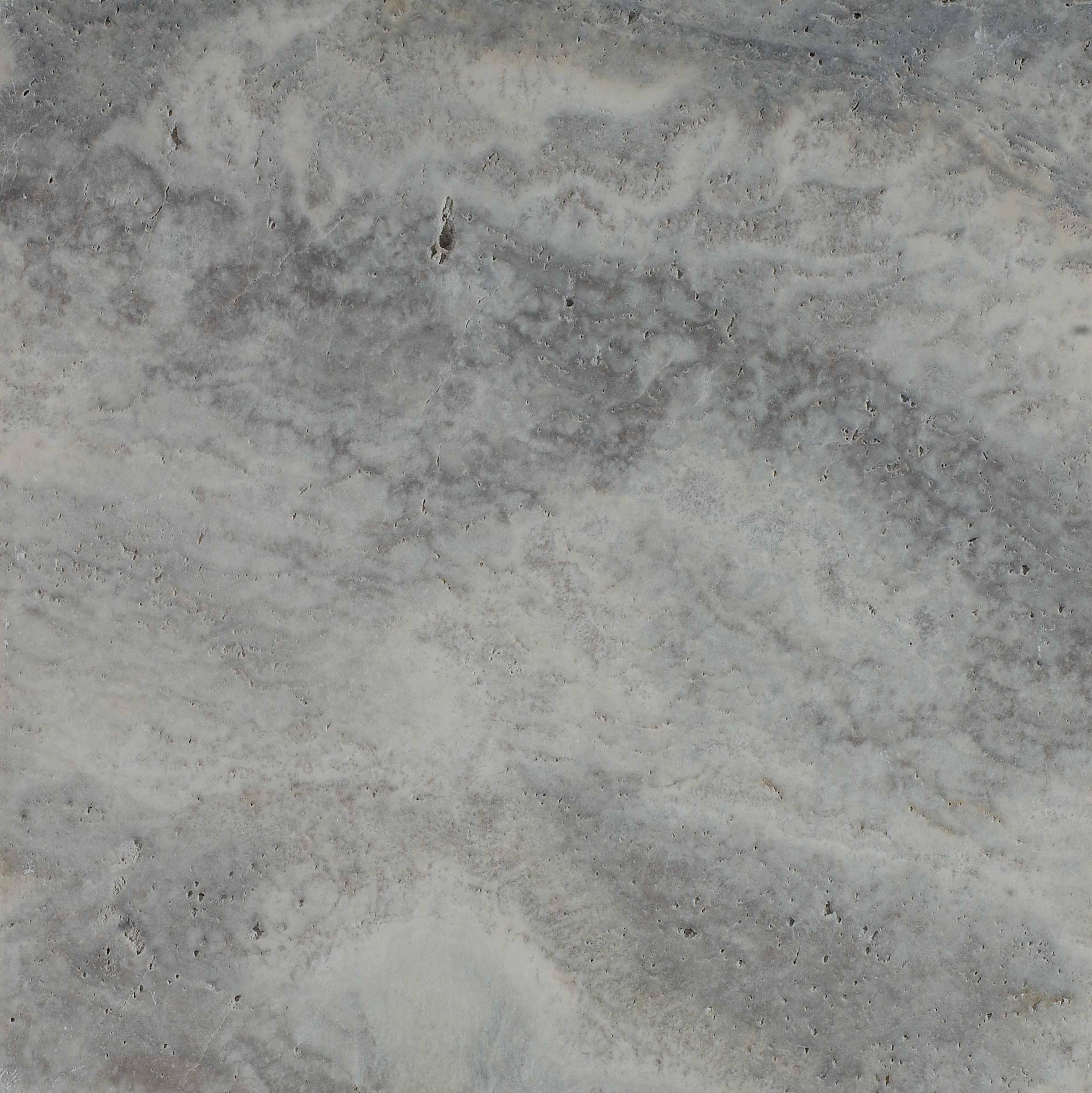
One of the most requested finishes in Melbourne is porcelain designed to replicate the warm, veined surface of travertine. Manufacturers achieve this through high-resolution digital firing techniques that print detailed stone patterns onto the tile surface. The result can be visually convincing, though the texture beneath your feet differs noticeably from the real material.
For homeowners who love the look of travertine but want zero-maintenance performance, this option is genuinely compelling. However, if you want the authentic warmth and natural variation of real travertine, Domko’s Travertine Silver and Travertine Classic ranges offer the genuine article. Both are available in French pattern layouts for a Mediterranean-inspired aesthetic.
Choosing the Right Porcelain Colour Tone for Melbourne Homes
Colour selection affects both aesthetics and practical performance. For Melbourne pool areas and sun-exposed patios, lighter tones such as Ivory and Grey are preferred. They reflect more solar radiation and stay significantly cooler underfoot on summer days above 35 degrees.
Black porcelain tiles create a dramatic, high-contrast aesthetic around modern pools and contemporary homes. However, they absorb considerable heat – making them less comfortable for barefoot pool surrounds on Melbourne’s hottest days. They work excellently for shaded entertaining areas, feature walls, and covered outdoor zones.
Mango-tone porcelain bridges both worlds – warm enough to complement natural materials like timber decking or sandstone walls, cool enough to avoid excessive heat absorption. It pairs naturally with Domko’s granite and natural sandstone products for mixed-material outdoor designs.
Maintenance Reality – Why Porcelain Is Melbourne’s Most Low-Effort Outdoor Paving
Among all outdoor paving materials available in Melbourne, porcelain demands the least ongoing maintenance. This is not a marketing claim – it follows directly from the material’s physical properties.
Because the surface is non-porous, it does not absorb stains from red wine, cooking oils, leaf tannins, bird droppings, or pool chemicals. A regular sweep and an occasional wash with water is sufficient for most installations. For more stubborn marks, a pH-neutral outdoor cleaner applied with a soft brush resolves almost everything.
Jet washing is equally effective and safe for porcelain. The dense surface handles pressure washing without erosion, surface damage, or colour change. Simply keep the lance away from grout joints to avoid washing out the joint filler over time.
By comparison, natural stone requires a more involved routine. Travertine, limestone, and sandstone all benefit from professional sealing every two to four years in Melbourne’s climate. Bluestone is more forgiving but still benefits from periodic sealing and weed prevention in joint gaps. Crazy paving layouts require attention to irregular joint lines where organic material can accumulate.
Consequently, the trade-off is clear. If your lifestyle calls for a set-and-forget surface, porcelain is the practical winner. If you value the natural patina that develops on real stone over time – the slight weathering and tonal shifts that make a natural stone garden feel lived-in – then natural stone remains the more character-rich choice.
Is Porcelain Paving Suitable for Your Melbourne Driveway?
Driveways represent the most demanding outdoor application for any paving material. They carry vehicle loads, experience fuel and oil spills, and endure constant tyre scuffing. Porcelain can handle residential driveway conditions – but only with correct specification and installation.
The key requirements for a Melbourne porcelain driveway are:
- 20mm minimum tile thickness (some installers prefer 30mm for driveways).
- Reinforced 150mm concrete base as an absolute minimum.
- Full-bed flexible adhesive coverage – no hollow spots beneath tiles.
- Adequate expansion joints to manage Melbourne’s thermal cycling.
Under these conditions, porcelain performs well for standard passenger vehicles. For heavier vehicles, delivery trucks, or caravans, natural stone or concrete pavers on a gravel base are generally more forgiving of point-load stress.
Domko’s granite cobblestone and bluestone ranges remain popular driveway choices for Melbourne homeowners who want proven durability without the strict base requirements that porcelain demands.
How Porcelain Compares to Other Outdoor Paving Materials – Key Ratings
The chart below illustrates comparative performance scores across five key criteria for common Melbourne outdoor paving choices. Scores are based on verified material specifications from Australian Standards, manufacturer technical data, and industry publications – not subjective rankings.
Porcelain Paver Cost vs Natural Stone – What Melbourne Homeowners Are Spending in 2026
Cost transparency is one of the biggest gaps in online paving information. Most suppliers avoid publishing prices. Consequently, Melbourne homeowners often arrive at quotes without any reference point. The following figures are indicative only, based on mid-2026 Melbourne market conditions, and exclude GST, installation, and base preparation costs. Always obtain a current written quote for your specific project.
As a general framework for mid-2026 Melbourne projects:
- Outdoor porcelain pavers (20mm): Approximately $60 to $120+ per square metre for supply only.
- Natural bluestone pavers: Approximately $55 to $110+ per square metre for supply only.
- Travertine pavers: Approximately $50 to $95+ per square metre for supply only.
- Limestone pavers: Approximately $45 to $90+ per square metre for supply only.
- Granite pavers: Approximately $65 to $130+ per square metre for supply only.
- Concrete pavers: Approximately $20 to $50 per square metre for supply only.
Installation typically adds $60 to $120 per square metre on top of supply costs, depending on site complexity. Base preparation for porcelain – including concrete slab pouring if not already in place – adds further cost. This is where porcelain projects can become more expensive overall than a natural stone installation on a compacted gravel base.
However, factoring in reduced sealing costs, zero replacement of stained or faded tiles, and lower cleaning effort over 20 to 30 years, porcelain frequently delivers strong long-term value for the right application.
Frequently Asked Questions – Porcelain Paving in Melbourne
Below are the most commonly asked questions from Melbourne homeowners researching porcelain paving. Answers are concise and based on verified material specifications and Australian Standards.
Porcelain is heavier and harder to cut than most natural stone. It requires a stable, level concrete base – making base preparation costs higher. Matching tiles for repairs later can be difficult if the product line is discontinued. Additionally, the consistent manufactured pattern lacks the organic variation that makes real stone visually unique.
As of mid-2026, outdoor porcelain pavers in Melbourne range from approximately $60 to $120+ per square metre for supply only. Installation and base preparation are additional costs. Contact Domko at (03) 97947771 for a current project quote.
Generally yes, compared to concrete pavers. However, porcelain is often price-comparable with mid-range natural stone pavers. Over 20 to 30 years, reduced sealing and maintenance costs can offset the higher upfront price.
Quality outdoor porcelain correctly installed on a solid base is rated to last 30 to 50 years or more. The main cause of premature failure is inadequate base preparation rather than the tile material itself.
Yes. Porcelain’s dense, non-porous surface handles jet washing well. Avoid directing high-pressure water at grout joints, as sustained pressure can erode joint filler over time.
Not under normal conditions. At 20mm thickness, outdoor porcelain has strong resistance to cracking from pedestrian traffic and typical residential loads. The risk of cracking increases significantly if the base beneath is not solid, level, and fully cured.
For most outdoor Melbourne applications, yes. A concrete base or heavily compacted road base is strongly recommended. Porcelain is a rigid material and cannot flex with ground movement the way natural stone or concrete pavers can on a sand bed.
Concrete pavers are the most affordable outdoor alternative. Natural sandstone and some limestone options also supply lower upfront cost, though they require periodic sealing. Domko’s range includes options across multiple price points – call (03) 97947771 to discuss your budget.
Lighter-coloured porcelain – Ivory and Grey tones – reflects more solar radiation and stays significantly cooler than dark finishes. Black porcelain absorbs considerable heat. For Melbourne pool surrounds used barefoot in summer, lighter tones are the practical choice.
Not when the correct finish is specified. Outdoor matt-finish porcelain rated R11 or higher under AS 4586 is safe for wet areas including pool surrounds. Glazed or polished porcelain is not appropriate for uncovered outdoor use in Melbourne.
Yes, for light residential passenger vehicle use. A minimum 20mm thick tile on a 150mm reinforced concrete base with flexible adhesive is required. For heavier vehicles or frequent high-load use, natural stone or concrete pavers are often more practical.
No. The colour is vitrified into the body of the tile during the high-temperature firing process. UV exposure does not affect the colour of quality outdoor porcelain. This is one of its clearest advantages over natural stone and concrete pavers in Melbourne’s sun-intensive climate.
The outdoor standard is 20mm. Indoor porcelain tiles at 10 to 12mm are not appropriate for outdoor paving applications. Domko stocks all outdoor porcelain at the 600x600x20mm specification.
The Verdict – Should You Choose Porcelain Paving for Your Melbourne Home?
Porcelain paving in Melbourne makes excellent sense for homeowners who prioritise low maintenance, consistent appearance, long-term durability, and pool-safe slip ratings. It genuinely delivers on those promises when correctly specified and installed. Moreover, it suits Melbourne’s climate demands – handling UV, rain cycling, and thermal extremes without requiring the ongoing maintenance that natural stone demands.
However, it is not the right answer for every project. Natural stone – whether travertine, bluestone, limestone, or granite – offers something porcelain cannot replicate: genuine character, organic variation, and a tactile warmth that improves with age. For homeowners building a garden that should feel like part of the natural landscape, stone remains the more authentic choice.
The good news is that you do not have to choose blindly. Domko’s showroom in Doveton carries the full range – porcelain in all four colourways alongside natural stone options across every price point and application. Furthermore, the team at Domko can help you match the right material to your specific outdoor project, whether that is a pool surround in Mango Ivory porcelain, a bluestone patio in rectangular format, or a travertine entertaining area in French pattern.
The most important step is seeing both options side by side before committing. Call Domko at (03) 97947771 or email info@domko.com.au to discuss your project with a specialist.