
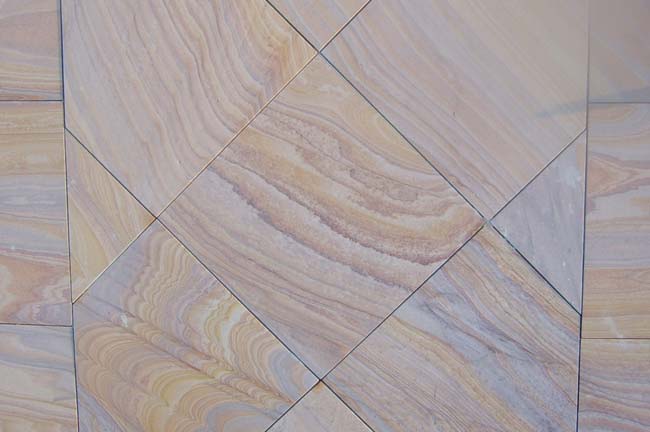
Choosing paving sandstone for your Melbourne property is not as straightforward as it looks on Instagram. Many homeowners fall in love with the warm, earthy tones and rustic character of sandstone, then find themselves dealing with staining, cracking, or uneven wear within just a few years. The truth is, sandstone is a material that rewards the well-informed. Understanding its grades, its relationship with Melbourne’s clay-heavy soils, its sealing requirements, and its honest cost profile makes the difference between a paving job you will love for decades and one you will quietly regret.
This guide covers everything Melbourne homeowners actually need to know. From density grades and driveway suitability through to sandstone crazy paving ideas, maintenance schedules, and honest cost comparisons, you will find the answers here. Naturally, we will also compare sandstone against travertine and bluestone, because those alternatives come up in almost every project conversation.
Verified Fact
According to Minerals Council of Australia, sandstone is one of the most abundant sedimentary rock types found in Australia, valued in construction and landscaping for its workability and natural appearance. Its porosity varies significantly by quarry source and grade.
Understanding Sandstone Grades: Why Not All Pavers Are Equal
When Melbourne homeowners search for natural stone paving, sandstone often tops the list aesthetically. However, what arrives on site can vary enormously depending on grade, origin, and processing. Dense-grade sandstone and soft-grade sandstone behave so differently that treating them as the same product is a genuine mistake.
Dense-grade sandstone has a lower porosity and a tighter mineral structure. As a result, it resists staining better, holds up under moderate traffic, and requires less frequent sealing. Soft-grade sandstone, on the other hand, is highly porous. It absorbs liquids rapidly, dulls quickly under foot traffic, and demands far more maintenance to stay looking good.
Furthermore, thickness consistency matters enormously during installation. Indian sandstone imports specifically have received criticism in Australian renovation forums for inconsistent slab thickness, which causes bedding mortar failures over time. This is a known quality control challenge. Always request calibrated pavers from your supplier, and check that each batch maintains consistent depth.
Domko stocks premium Sandstone Ivory Honed pavers and Sandstone Dhari Pavers sourced and quality-checked before arrival. Browse the full sandstone range to compare grades and finishes.
What Sandstone Colours Work Best in Melbourne Outdoor Spaces?
Melbourne’s outdoor design culture leans toward warm, earthy tones rather than stark contrasts. Ivory, teak, mango, and rainbow sandstone varieties all perform well against Melbourne’s predominantly garden-rich streetscapes. Specifically, ivory sandstone honed gives a sophisticated, clean finish that suits both contemporary and Federation-style homes.
Teak sandstone, available as Sandstone Teak Bullnose at Domko, introduces rich amber and chocolate tones. These tones age beautifully with Melbourne’s dappled light. Meanwhile, the mango variety offers a vibrant orange-red palette that suits subtropical-styled gardens and bold landscaping schemes.
Rainbow sandstone deserves special mention. Its multicoloured veining means no two areas look exactly the same. This makes it particularly popular for feature pathways and garden beds, as seen in projects like Domko’s Black Limestone and White Sandstone gallery combinations.
Sandstone Paving Problems in Melbourne: What the Brochures Skip
Nearly every guide to sandstone paving focuses on the positives. Very few address the problems honestly. Yet Melbourne homeowners on renovation forums consistently raise the same frustrations. Addressing these directly helps you make a genuinely informed decision before spending thousands.
Staining Is the Number One Complaint
Does sandstone stain easily? The honest answer is: yes, unsealed sandstone stains very easily. Oil from a barbecue, red wine, leaf tannins, rust from outdoor furniture, and even plain water can leave visible marks on unprotected surfaces. Moreover, Melbourne’s autumn leaf fall significantly worsens tannin staining on light-coloured sandstone.
Fortunately, staining is largely preventable. A penetrating sealer applied before first use dramatically reduces absorption. Still, even sealed sandstone requires care around oil-heavy cooking areas. Place mats under outdoor furniture and act quickly when spills occur.
Clay Soil Movement Creates Hidden Risks
Melbourne is well-known for its reactive clay soils. These soils swell significantly when wet and shrink sharply when dry. For any natural stone paving, this seasonal movement creates stress on bedding layers. Sandstone, being slightly more brittle than granite or bluestone, shows cracking sooner when sub-base preparation is inadequate.
Proper sub-base depth is therefore critical in Melbourne. Most experienced local installers recommend a compacted sub-base of at least 100mm of road base beneath a 40mm mortar bed for residential sandstone applications. Additionally, expansion joints placed every 3 to 4 metres allow for soil movement without transferring stress to the pavers.
Verified Fact – Clay Soil & Paving
The Victorian Building Authority recommends that paving and external works in reactive soil zones account for seasonal ground movement in their construction methodology. Melbourne’s eastern and south-eastern suburbs are particularly known for high-reactivity clay profiles.
Efflorescence: The White Stain Nobody Warns About
Efflorescence is a white, chalky residue that appears on paved surfaces when soluble salts migrate to the surface through moisture. Sandstone is more susceptible to efflorescence than dense materials like bluestone or granite. It is especially common in Melbourne’s winter months when rainfall increases moisture movement through the bedding layer.
Efflorescence is not a structural problem, but it is an aesthetic one. Proper curing of the mortar bed, using low-alkali cement mixes, and sealing the surface promptly all reduce the likelihood of recurrence. Specialist efflorescence removers are available, but always ensure they are pH-neutral to avoid damaging the sandstone surface.
Is Sandstone Right for Your Melbourne Driveway?
Sandstone driveway suitability is one of the most searched questions among Melbourne homeowners. The short answer is nuanced. Dense-grade sandstone can handle light residential vehicle traffic if installed on a suitably reinforced sub-base. However, it is not ideal for driveways receiving frequent heavy loads, sharp turning movements, or constant mechanical stress.
By contrast, bluestone and granite consistently outperform sandstone in high-traffic driveway settings. Both materials offer superior density, lower porosity, and better resistance to the shear forces that tyres create during turning. Domko’s Indian Black Granite Flamed and Bluestone 500x500mm pavers are among the most popular driveway choices in Melbourne for exactly this reason.
That said, sandstone is genuinely excellent for the decorative border or feature element of a driveway design. Many Melbourne homes use sandstone coping and pathway edges alongside a granite cobblestone field. This hybrid approach delivers the warmth of sandstone aesthetics without sacrificing the structural performance that a driveway demands.
Explore Domko’s Granite Cobble Stone range for high-traffic driveway applications, and see how it pairs beautifully with sandstone edging in Melbourne front yards.
Sandstone vs Travertine Paving: Picking the Right Stone for Melbourne
This comparison generates more debate than almost any other in Melbourne landscaping circles. Both materials offer natural, warm aesthetics. However, their performance profiles differ considerably, and the right choice depends heavily on your application.
Sandstone Paving
- Warmer, earthier colour palette
- Available in more colour varieties
- Slightly more affordable per m2
- Higher porosity in soft grades
- Excellent for pathways and feature areas
- Requires prompt sealing before use
- Greater variation in slab thickness by origin
- Softer underfoot feel
Travertine Paving
- Consistent creamy-ivory palette
- Naturally filled or unfilled options
- Higher heat reflectivity around pools
- Denser structure than most sandstones
- Excellent for pool surrounds and patios
- More consistent slab thickness
- Premium price bracket
- Timeless European aesthetic
Ultimately, travertine wins in pool surround and high-moisture applications. Sandstone wins in pathway, garden, and feature paving where warmth of tone and character variety matter most. Many Melbourne homeowners combine both materials in the same project. For instance, travertine pool coping alongside sandstone garden pathways creates a visually cohesive yet textually rich outdoor space.
Domko stocks both Travertine Silver and Travertine Classic. Both are available for inspection at the Doveton showroom before you commit to a purchase.
For a deeper look at travertine options, visit Domko’s Travertine paving page. Compare Travertine Classic versus Silver finishes side by side.
Sandstone Crazy Paving in Melbourne: Character Without Compromise
Sandstone crazy paving is one of the most distinctive and enduringly popular choices in Melbourne garden design. The irregular, organic layout of crazy paving introduces a sense of movement and naturalism that no uniform tile pattern can replicate. Consequently, it suits cottage gardens, lush tropical landscapes, and even modernist garden designs when laid with precision.
In practical terms, sandstone crazy paving involves laying irregular-shaped pieces in a mosaic pattern, with gaps grouted in either a contrasting or complementary colour. White grouting against mango or rainbow sandstone creates a bold, graphic effect. Grey grouting with ivory sandstone delivers a softer, coastal-inspired finish.
One important consideration for Melbourne specifically is that the irregular surface of crazy paving can create small water retention points in areas prone to heavy rainfall. Ensure your installer accounts for adequate fall-to-drain in your design. A minimum fall of 1:80 is generally recommended for all external paved areas in Australian conditions according to Standards Australia.
Domko’s Crazy Paving range includes multicolour crude paving and irregular crazy paving options. Also explore Bluestone Crazy Random Paving for a darker Melbourne aesthetic.
Sealing Sandstone Pavers: The Step Melbourne Homeowners Skip Most
The best sealer for sandstone pavers depends on your finish preference and application context. However, all industry advice consistently agrees on one point: sandstone must be sealed before use. Without sealing, even a single outdoor dinner can leave permanent oil stains on unsealed surfaces.
Penetrating Sealers vs Topical Sealers
Penetrating sealers absorb into the stone and protect from within, without changing the surface appearance significantly. These are ideal for natural-look applications and areas where slip resistance matters, such as pool surrounds and pathways. Topical sealers, meanwhile, sit on the surface and often deliver a wet-look or gloss finish. They can alter the appearance considerably but provide a stronger barrier against surface staining.
For Melbourne conditions specifically, a penetrating impregnating sealer with water and oil repellency is the most recommended category. Melbourne’s variable weather, ranging from hot, dry summers to wet winters, demands a sealer that performs across a wide temperature range without cracking or peeling.
Additionally, always clean the sandstone thoroughly before sealing. Any existing organic matter, efflorescence, or construction residue must be removed first. Sealing over contamination locks the problem in rather than solving it.
Verified Sealing Guidance
Australian standards and building best practice guidance recommend that natural stone in outdoor environments be sealed with products appropriate to the specific stone type. Always verify that your chosen sealer is rated for exterior sandstone use and safe for pool areas if applicable.
Sandstone Paving Costs in Melbourne: A Realistic Picture for 2026
Sandstone paving cost per square metre in Melbourne varies widely. Material grade, finish type, slab size, and supplier sourcing all influence the final figure. The following ranges reflect approximate market pricing as of mid-2026. However, costs change regularly, so always obtain current quotes directly from suppliers.
Price Disclaimer – June 2026
The following cost ranges are indicative estimates based on general market conditions as of June 2026. Prices vary by supplier, grade, finish, and project volume. Always request a formal written quote. These figures should not be used for budget planning without independent verification from your chosen supplier.
- Entry-level sandstone pavers (soft grade, Indian origin): Approximately $35 to $55 per m2 for supply only
- Mid-grade sandstone pavers (calibrated, honed finish): Approximately $60 to $90 per m2 for supply only
- Premium dense-grade sandstone (Australian or select Indian): Approximately $90 to $140 per m2 for supply only
- Installation costs (supply and lay, Melbourne metro): Typically add $80 to $150 per m2 depending on complexity
- Sealing costs: Generally $8 to $20 per m2 depending on product and application method
By comparison, concrete pavers remain cheaper at approximately $20 to $40 per m2 supplied. However, sandstone delivers significantly more character and long-term kerb appeal. Furthermore, well-maintained natural stone paving can contribute positively to property valuation in Melbourne’s competitive real estate market.
Contact Domko directly for current sandstone paving pricing in Melbourne: (03) 97947771 or info@domko.com.au
Designing Sandstone Pathways and Outdoor Spaces in Melbourne
Sandstone pathway ideas consistently trend in Melbourne outdoor design. The material’s natural texture provides gentle traction underfoot, and its warm tones complement Melbourne’s garden landscapes across all seasons. Moreover, sandstone integrates beautifully with timber decking, native plantings, and water features.
Pathway Patterns That Work Particularly Well
Rectangular layouts in large format sizes like 600x400mm or 800x400mm create a clean, contemporary look for wide pathways. Conversely, stepping stone configurations using irregular pieces spaced across gravel or ground cover achieve a naturalistic effect ideal for cottage-style Melbourne gardens. Domko’s Stepping Stones range offers purpose-cut options specifically suited for this application.
For pool surrounds, honed ivory sandstone remains one of the most requested finishes in Melbourne. Its light colour reflects heat rather than absorbing it, keeping the surface comfortable underfoot on hot Melbourne summer days. The honed finish also provides adequate slip resistance when wet, making it genuinely suitable for pool coping and surrounds.
Consider how sandstone interacts with your home’s architectural style. Federation and Californian bungalow homes in Melbourne’s inner suburbs pair beautifully with warm mango or rainbow sandstone. Modern architectural homes in outer Melbourne suburbs often suit the cleaner lines of ivory honed or teak sandstone in a regular rectangular pattern.
See real Melbourne project inspiration in the Domko Gallery, including Sandstone Ivory Honed pool surrounds, Sandstone Garden Beds, and Sandstone Retaining Walls.
Sandstone in Retaining Walls and Vertical Applications
Beyond horizontal paving, sandstone performs exceptionally well in retaining walls, balustrades, coping tiles, and staircase applications. Its workability allows it to be cut into precise profiles, including the popular Drop-L shape available as Sandstone Drop-L Shape at Domko. This profile is specifically designed for step nosings and pool coping edges where a clean, safe overhang is required.
Sandstone balustrades and wall cladding are increasingly popular in Melbourne’s renovation market. They introduce texture and natural character to otherwise flat rendered surfaces, particularly on north-facing aspects where the interplay of light and shadow across the stone face creates visual depth throughout the day.
Maintaining Sandstone Paving in Melbourne’s Climate
Melbourne’s four-seasons-in-one-day reputation is not just a cliche. It genuinely stresses outdoor materials in ways that more predictable climates do not. Consequently, sandstone maintenance in Melbourne needs to account for UV exposure, heavy autumn rainfall, frost risk in outer suburbs, and the ongoing challenge of reactive soil movement.
A Practical Maintenance Schedule
- Weekly: Sweep away leaf litter and debris. Left unaddressed, decomposing leaves cause tannin staining, particularly on light-coloured sandstone.
- Monthly: Rinse with clean water. Mild pH-neutral stone cleaner for any visible soiling. Avoid acidic or alkaline cleaners.
- Annually: Inspect for efflorescence, cracking, or joint deterioration. Address any issues before they escalate.
- Every 3 to 5 years: Reapply a quality penetrating sealer. High-traffic or pool-adjacent areas may require resealing every 2 to 3 years.
Above all, avoid using vinegar, bleach, or generic household cleaners on sandstone. These products are acidic or alkaline and will etch or discolour the stone surface. Similarly, never use metal scrapers or abrasive pads on sandstone, as these scratch the surface and compromise the sealer layer.
Natural Stone Paving on Melbourne’s Clay Soils: What Actually Works
Natural stone paving on clay soil requires significantly more preparation than installation on stable sandy or loam soils. Melbourne’s reactive clay profile means that the sub-base preparation is arguably more important than the paver choice itself. Even the best sandstone will crack or lift if the base is inadequately prepared.
Experienced Melbourne landscapers typically excavate to 250mm or deeper in high-reactivity clay zones. This allows for a deep compacted road base layer, followed by a mortar screed and then the pavers. Additionally, using expansion joints at regular intervals throughout the paved area absorbs seasonal movement without transmitting it directly to the stone.
Moreover, proper edge restraints prevent lateral creep, which is the gradual outward movement of pavers over time as clay swells and contracts beneath them. Concrete haunching along the perimeter of any sandstone paved area in Melbourne significantly extends the installation’s lifespan and stability.
For detailed construction methodology guidance, the Housing Industry Association Australia (HIA) provides member resources on external paving in reactive soil zones across Victoria.
Understanding Sandstone as a Natural Material
Sandstone is a clastic sedimentary rock composed primarily of sand-sized mineral particles or rock fragments. Its composition, porosity, and colour depend heavily on the mineral content of the original sediment and the geological processes that formed it over millions of years. For a comprehensive geological overview, the Wikipedia entry on Sandstone provides reliable foundational information on its composition, types, and uses globally.
Understanding the geological character of your chosen sandstone helps predict its performance. For example, silica-cemented sandstones are denser and more durable than calcite-cemented varieties. This distinction matters practically when choosing between different supplier grades for Melbourne outdoor paving.
Frequently Asked Questions: Sandstone Paving in Melbourne
What are the disadvantages of sandstone paving?
Sandstone is porous and absorbs stains quickly without proper sealing. Softer grades chip under heavy or constant traffic. Regular maintenance, including resealing every few years, adds to the ongoing cost. Additionally, inconsistent thickness in some imported sandstone batches can complicate installation.
Is sandstone more expensive than concrete?
Yes. Natural sandstone costs significantly more than poured concrete or concrete pavers. However, the aesthetic character, natural variation, and long-term visual appeal of sandstone often justify the premium for Melbourne homeowners focused on property presentation and long-term value.
Is there sandstone in Melbourne?
Melbourne does not have major local sandstone quarries. Most sandstone available in Melbourne is sourced from Queensland or imported from India. Always ask your supplier about the specific origin and grade of the sandstone before purchasing.
Is sandstone good for paving?
Yes, when the correct grade is selected and proper installation and sealing procedures are followed. Dense-grade sandstone performs well in low-to-moderate traffic areas such as patios, garden pathways, feature areas, and pool surrounds.
What is the problem with Indian sandstone paving?
Quality varies widely among Indian sandstone products. Lower-grade imports can be excessively porous, prone to surface flaking, and inconsistent in slab thickness. These issues make installation difficult and can lead to premature failure. Always purchase from reputable suppliers who can provide quality certification and consistent calibrated stock.
Is it okay to pressure wash sandstone?
Light pressure washing at low pressure with a fan-tip nozzle is generally acceptable for maintenance cleaning. Avoid high-pressure settings, as these erode the surface and strip existing sealers. After any pressure washing, inspect the sealer condition and reapply if necessary.
How long does sandstone paving last?
Well-installed, properly sealed, and regularly maintained dense sandstone paving can last 20 to 30 years. Neglected or soft-grade sandstone in high-traffic applications may show significant deterioration within 5 to 10 years.
What is the cheapest form of paving on a budget?
Concrete pavers remain the most budget-friendly paving option in Melbourne. Among natural stones, sandstone crazy paving offcuts offer a relatively affordable entry point into the natural stone category while still delivering genuine character and warmth.
What does vinegar do to sandstone?
Vinegar is acidic and will permanently etch the surface of sandstone, creating dull, rough patches that are difficult to restore. Never use vinegar, lemon juice, or any acid-based cleaner on sandstone pavers. Always use pH-neutral stone-specific cleaning products.
Can sandstone pavers be used around a swimming pool in Melbourne?
Yes. Honed or textured sandstone is a popular and practical pool surround choice in Melbourne. Its natural surface provides adequate slip resistance when wet. Ivory honed sandstone in particular stays cool underfoot during Melbourne’s hot summers. Ensure the surface is properly sealed with a product rated for wet area use.
Does sandstone paving fade in the Melbourne sun?
Sandstone is generally UV-stable and does not fade dramatically. Some slight lightening of tone can occur over many years on unsealed surfaces. Applying an enhancing penetrating sealer helps preserve the original depth of colour under Melbourne’s sun exposure.
How often should sandstone pavers be resealed in Melbourne?
Most stone care professionals recommend resealing every 3 to 5 years in Melbourne’s climate. Pool surrounds and high-traffic areas often benefit from resealing closer to every 2 to 3 years. Perform a simple water-drop test: if water absorbs within 30 seconds rather than beading, resealing is due.
What is the best grout colour to use with sandstone crazy paving?
White grout creates a bold, graphic contrast against warmer sandstone tones like mango and rainbow. Grey grout offers a softer, more contemporary finish suited to ivory and teak sandstone varieties. The choice ultimately depends on your overall landscape design palette and personal preference.
Conclusion: Making the Right Sandstone Decision for Your Melbourne Home
Paving sandstone in Melbourne is a genuinely rewarding choice when you go in with the right information. The material’s warmth, character, and natural versatility make it one of the most loved natural stones in Australian outdoor design. Nevertheless, success depends on selecting the correct grade, preparing the sub-base properly for Melbourne’s reactive clay soils, sealing before first use, and committing to a realistic maintenance schedule.
Furthermore, comparing sandstone against alternatives like travertine, bluestone, and granite is not about finding a winner overall. It is about matching the right material to each specific application within your project. Many Melbourne homeowners combine two or even three natural stone types across their outdoor spaces, achieving a layered, considered aesthetic that adds genuine long-term value.
Above all, work with a supplier who understands Melbourne’s specific conditions, stocks quality-checked product, and can provide honest advice about suitability for your project. That combination of knowledge and quality is what separates a stone paving project you will love from one you will spend years trying to fix.