
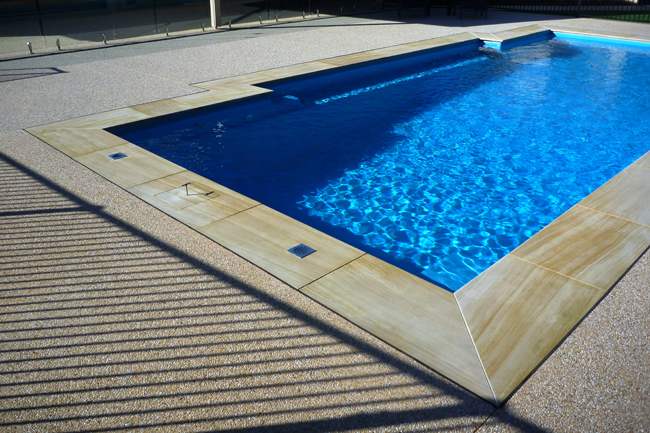
Pool renovation in Melbourne is one of the smartest outdoor investments you can make right now. Melbourne summers are brutal on pool surfaces. UV exposure, high chlorine demand, and our extreme temperature swings from scorching 40-degree days to cool winter lows cause coping to crack, tiles to lift, and resurfacing to deteriorate faster than most homeowners expect.
If your pool looks like it belongs in 1994, you are not alone. Thousands of Melbourne homeowners are staring at yellowed pebblecrete, crumbling coping, and dingy waterline tiles. The good news? A well-planned renovation does not need to cost a fortune or take months.
This guide breaks down exactly what to expect. We cover costs, materials, timelines, coping choices, paving upgrades, and the real differences between a cosmetic refresh and a full transformation.
Why Melbourne Pools Deteriorate Faster Than You Think
Melbourne weather is genuinely hard on outdoor surfaces. We have some of the highest UV index readings in the world during summer. That constant solar radiation bleaches, weakens, and degrades pool finishes over time.
Then add chlorine. Melbourne pools run high sanitiser levels during the long swim season. Chlorine is effective at keeping water safe, but it chemically erodes certain resurfacing materials, particularly painted finishes and softer renders.
Ground movement is another factor that rarely gets mentioned. Melbourne’s clay-heavy soils expand significantly after rain and contract badly in dry spells. That seasonal movement creates stress fractures in pool shells, coping edges, and surrounding pavers.
Verified Quick Fact
Australia has one of the highest rates of residential swimming pool ownership in the world. According to the Australian Bureau of Statistics, approximately 13% of Australian households own a swimming pool, with Victoria recording strong ownership in suburban areas. Source: Australian Bureau of Statistics
Most pebblecrete pool surfaces last between 10 and 15 years before they become rough, discoloured, or structurally compromised. Painted finishes often deteriorate within 5 to 7 years in Melbourne’s climate. That means most pools built before 2015 are already overdue for attention.
The surface issue is only part of the story. Old coping creates sharp edges and becomes a safety concern. Outdated tiles look visually tired. And surrounding paving that has heaved, cracked, or stained brings down the look of the entire outdoor area.
So if you have been putting off a pool renovation, Melbourne’s climate has been working against you the whole time. The longer you wait, the more extensive the work tends to become.
Understanding Your Pool Renovation Options
Not every pool renovation is the same. Some homes need a complete structural overhaul. Others just need a surface refresh, new coping, and updated paving to look brand new. Knowing which category your pool falls into saves you significant money.
Cosmetic Renovation
This covers resurfacing the interior, replacing waterline tiles, and updating coping. It suits pools that are structurally sound but visually tired. Most Melbourne pools over 12 years old fall into this category.
Partial Structural Renovation
This involves addressing cracks, leaks, or shell damage before applying a new surface. It is more involved and costs more. However, skipping structural repairs to save money always costs more in the long run.
Full Pool Transformation
A full transformation combines interior resurfacing, coping replacement, tile upgrades, surround paving, and sometimes pool equipment upgrades. This is what you see in before-and-after renovation features. The results are genuinely dramatic when done properly.
One practical tip: get a structural inspection before committing to cosmetic work. A licensed pool inspector can identify leaks or shell cracks early. That early detection can save you thousands in avoidable rework.
Pool Resurfacing in Melbourne: What the Choices Actually Mean
Pool resurfacing in Melbourne is where most homeowners start their renovation journey. The interior surface defines how the water looks, how the pool feels underfoot, and how long it stays looking fresh.
The choices can feel overwhelming at first. However, each material has a clear profile of strengths and trade-offs. Here is what actually matters when you are choosing.
Pebblecrete and Exposed Aggregate
Pebblecrete was the standard choice for Melbourne pools for decades. It is durable and relatively affordable. However, it becomes very rough over time, harbours algae in its texture, and looks noticeably dated now.
Modern exposed aggregate finishes use smaller, more refined pebbles or quartz crystals. They offer a smoother feel and a far more contemporary appearance. These updated finishes cost more upfront but last considerably longer and require less maintenance.
Quartz Plaster Finishes
Quartz plaster blends white cement with crushed quartz aggregate. The result is a smooth, reflective surface that holds colour well and resists chemical erosion better than standard renders. In Melbourne’s UV-heavy summers, colour retention matters a great deal.
These finishes last 15 to 20 years when properly maintained. They cost more than standard pebblecrete but far less than full tiling.
Glass Bead and Crystal Finishes
Glass bead finishes give pools that luminous, jewel-toned water colour that looks incredible in photography and even better in person. They are smooth underfoot, easy to clean, and hold up very well against Melbourne’s chlorine levels and UV exposure.
They sit at the premium end of the resurfacing market. For homeowners who want a genuinely striking result, they are worth every cent.
Full Tile Resurfacing
Tiling an entire pool interior is the premium option. It is the longest lasting, the easiest to clean, and the most visually dramatic. Full porcelain tile resurfacing can last 30 years or more with proper care.
The cost is significantly higher than other options. However, for a pool that anchors a premium outdoor entertaining space, full tiling delivers a result that is hard to match.
Verified Quick Fact
According to the Swimming Pool and Spa Association of Australia (SPASA), pool resurfacing and renovation account for a significant proportion of the industry’s annual turnover, with demand increasing steadily as the Australian pool stock continues to age. Source: SPASA Australia
| Surface Type | Estimated Lifespan | Feel Underfoot | Maintenance Level | Best For |
|---|---|---|---|---|
| Standard Pebblecrete | 10 – 15 years | Rough | High (algae) | Budget-first renovation |
| Modern Exposed Aggregate | 15 – 20 years | Smooth-moderate | Medium | Value and longevity |
| Quartz Plaster | 15 – 20 years | Smooth | Low-medium | Colour and durability |
| Glass Bead Finish | 15 – 25 years | Very smooth | Low | Visual impact |
| Full Porcelain Tile | 25 – 35 years | Very smooth | Very low | Premium transformation |
One thing Melbourne homeowners often overlook: the colour of the resurfacing material significantly affects water colour. Dark surfaces create a deep lagoon appearance. Light surfaces produce a bright Caribbean-blue look. Make sure you see colour samples underwater before committing to any finish.
Coping Replacement and Why It Matters More Than You Think
Pool coping replacement in Melbourne is one of the most visually impactful parts of any renovation. The coping is the cap that sits along the pool edge. It defines the line between the pool and the surrounding paving, and it takes a serious beating every single day.
Melbourne’s climate is particularly hard on coping. Seasonal expansion and contraction of both the pool shell and surrounding soil causes mortar joints to fail. Water infiltrates those joints, freezes in winter, and accelerates cracking. Eventually, coping becomes a genuine safety hazard with sharp, unstable edges.
Natural Stone Coping Options
Natural stone is the material of choice for coping replacement in Melbourne right now. It handles temperature swings far better than concrete pavers. It looks premium. And it holds its surface integrity for decades when properly installed and sealed.
- Travertine: Stays cooler underfoot in Melbourne summers. Its natural surface texture provides slip resistance. It complements both contemporary and classic pool designs beautifully. Explore travertine paving options at Domko.
- Bluestone: A Melbourne favourite for good reason. Bluestone coping handles UV, moisture, and chemical splash with excellent durability. Its dark charcoal tone creates a dramatic, modern pool edge. Browse bluestone solutions at Domko.
- Limestone: Offers a lighter, coastal aesthetic. Limestone is dense enough for poolside use and takes a very clean bullnose edge profile when cut for coping.
- Sandstone: Warm, earthy tones that suit traditional Melbourne homes. Sandstone requires proper sealing in pool environments but rewards that maintenance with a timeless look.
- Granite: The hardest and most impervious option. Granite coping handles chemical splash, UV, and foot traffic better than almost anything else. Its polished or honed finishes suit contemporary pool designs well.
Pool coping ideas in Melbourne increasingly favour a seamless visual connection between the coping edge and the surrounding paving. Using the same stone material for both creates a cohesive, upscale result that looks deliberately designed rather than pieced together.
Verified Quick Fact
Natural stone remains one of the preferred materials for pool coping in Australia due to its thermal properties, longevity, and aesthetic versatility. The HIA (Housing Industry Association) notes that outdoor living upgrades, including pool areas, consistently rank among the top renovation priorities for Australian homeowners. Source: Housing Industry Association Australia
Bullnose and drop-face edge profiles are the two most common coping styles in Melbourne. Bullnose gives a smooth, rounded edge that is comfortable to sit on. Drop-face profiles allow the coping stone to extend slightly below the pool beam, hiding the bond beam completely for a cleaner aesthetic.
Pool Tile Replacement: Where Old Pools Really Show Their Age
Pool tile replacement in Melbourne is often the single change that makes the biggest visual impact for the least cost. The waterline tile band runs around the top of the pool interior, sitting right at the waterline. It is the first thing anyone sees when they look at the pool.
Older Melbourne pools typically have small 50mm mosaic tiles in beige, cream, or dated blue tones. Lifting and replacing these with contemporary porcelain tiles, glass mosaic tiles, or large-format stone-effect tiles immediately modernises the entire pool aesthetic.
Why Waterline Tiles Fail
The waterline is the most chemically aggressive zone in any pool. Tiles in this band are constantly exposed to chlorine, calcium buildup, sunscreen residue, and the expansion and contraction of water levels. The grout joints degrade first, followed by tile delamination as water infiltrates behind the tiles.
In Melbourne’s temperature extremes, this process accelerates. A 40-degree summer day followed by a cool 15-degree evening creates genuine thermal stress on tile adhesive. Over 10 to 15 years, that cycle breaks the bond entirely.
Modern Tile Options for Melbourne Pools
Contemporary pool tile replacement in Melbourne leans heavily toward large-format porcelain tiles. These offer a very low water absorption rate, excellent chemical resistance, and a crisp, modern appearance.
Glass mosaic tiles remain popular for feature walls and waterline bands. They refract light beautifully and create that shimmering, premium pool look. Domko’s porcelain tile range includes options purpose-suited for pool environments and Melbourne’s climate demands.
Natural stone-look porcelain tiles bridge the gap between the warmth of stone and the performance of ceramic. They are increasingly popular in modern pool design in Melbourne because they pair beautifully with stone coping and paving surrounds.
Natural Stone Pool Surrounds for Melbourne Backyards
Natural stone pool surrounds in Melbourne transform a tired pool area into something that looks genuinely resort-level. The surround is the largest visual surface in the pool zone. Getting it right has an outsized effect on the finished result.
Melbourne homeowners increasingly choose natural stone over concrete pavers for surrounds. The reasons are straightforward. Natural stone handles temperature better, looks more premium, ages more gracefully, and connects the pool to the landscaping in a way that manufactured materials rarely do.
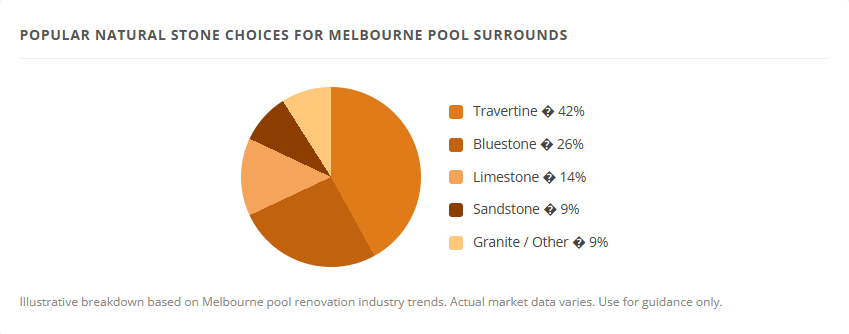
Travertine Pool Surrounds
Travertine is the most popular choice for pool surrounds in Melbourne, and there is a very good reason for that. Its surface stays significantly cooler underfoot than concrete or porcelain in direct summer sun. Walking barefoot on a travertine surround on a 38-degree Melbourne day is genuinely comfortable. Walking on concrete or dark porcelain is not.
Beyond thermal comfort, travertine’s natural variation in tone means each installation is unique. It connects the pool to the surrounding garden in a way that feels organic rather than manufactured. Explore the full range of travertine paving options at Domko for pool surrounds and entertaining areas.
Bluestone Pool Surrounds
Bluestone suits contemporary Melbourne homes perfectly. Its charcoal-grey tones pair beautifully with dark-finish coping and create a sleek, architectural look around the pool. It is extremely durable and handles Melbourne’s variable weather with ease.
Textured or flamed bluestone finishes add slip resistance without compromising the visual aesthetic. Domko offers a comprehensive range of bluestone products for pool surrounds, stepping stones, and pathway applications across Melbourne.
Crazy Paving Surrounds
Crazy paving has made a genuine design comeback in Melbourne. Done well with quality stone, it creates a relaxed, resort-inspired pool surround that looks casually luxurious. Crazy paving at Domko is available in multiple stone types to suit different backyard styles.
Stack Stone Feature Walls
Many Melbourne pool renovations now incorporate stack stone feature walls around the pool area. A stack stone wall behind an outdoor shower, along a boundary fence, or as a backdrop to outdoor seating instantly elevates the space. Domko’s stack stone range suits both contemporary and traditional Melbourne outdoor designs.
Pool Area Paving Upgrades That Elevate the Whole Space
Pool area paving upgrades in Melbourne deliver some of the best return on investment of any outdoor renovation. The paving frames the entire pool zone. It connects the pool to the house, the garden, and the outdoor entertaining area.
Old concrete slabs, cracked pavers, or timber decking that has weathered past its prime drag down the look of a newly renovated pool. Conversely, a fresh paving surface makes even a modestly renovated pool look genuinely impressive.
Choosing the Right Paving for Melbourne Pool Zones
Melbourne’s climate demands paving that handles heat, moisture, and UV without degrading or becoming slippery. Several factors should guide your selection.
- Slip resistance: Any paving within the splash zone must meet appropriate slip resistance ratings. Textured natural stone, brushed finishes, and flamed surfaces all perform well in wet pool environments.
- Thermal performance: Light-coloured stones like travertine and limestone stay significantly cooler underfoot than dark materials in direct Melbourne summer sun.
- Durability: Natural stone pavers handle Melbourne’s freeze-thaw cycles, UV, and chemical splash better than many concrete alternatives.
- Aesthetic integration: Using the same or complementary stone for both the pool coping and surrounding paving creates a cohesive, designed result.
Domko’s range of outdoor stone paving includes travertine, bluestone, limestone, sandstone, and porcelain options. Each is suitable for Melbourne’s conditions and verified for outdoor pool and patio applications.
Paving Design Ideas for Melbourne Pool Areas
Pool paving designs in Melbourne range from clean linear layouts to more organic and creative patterns. A few ideas that work particularly well in Melbourne backyards:
- Large-format travertine pavers in a running bond pattern around a contemporary rectangular pool
- Bluestone stepping stones set into lawn leading from the house to the pool area
- Crazy paving limestone creating a relaxed, coastal-inspired pool surround
- Sandstone pavers combined with timber screens for a warm, private pool sanctuary
- Porcelain pavers in a large 600x600mm format for a seamless, modern outdoor floor
Domko’s stepping stones and paver colour range allows Melbourne homeowners to mix stone types and create custom designs that suit their specific backyard layout and home style.
Pool Renovation Costs in Melbourne: What to Budget Honestly
Pool renovation costs in Melbourne vary enormously. Homeowners searching for a definitive figure often get frustrated, because the range genuinely is that wide. However, understanding what drives cost helps you plan a realistic budget.
Here is a practical breakdown of typical cost ranges for Melbourne pool renovation components in 2025-2026.
| Renovation Component | Typical Cost Range (AUD) | Notes |
|---|---|---|
| Interior resurfacing (pebblecrete) | $5,000 – $9,000 | Standard 8m x 4m pool |
| Interior resurfacing (quartz/glass bead) | $9,000 – $15,000 | Premium finishes |
| Full tile resurfacing | $20,000 – $45,000+ | Size and tile spec dependent |
| Coping replacement (natural stone) | $3,000 – $8,000 | Supply and install |
| Waterline tile replacement | $2,000 – $5,000 | Tile band only |
| Pool surround paving (natural stone) | $4,000 – $14,000 | Area size dependent |
| Structural repairs (cracks, leaks) | $2,000 – $10,000+ | Highly variable |
Verified Quick Fact
The Australian Competition and Consumer Commission (ACCC) recommends obtaining at least three written quotes for home improvement work and confirms that written contracts help protect homeowners from unexpected cost increases. Always verify contractor licensing before proceeding. Source: ACCC Australia
The biggest cost driver in any pool renovation is scope creep. What starts as a resurfacing job expands when structural issues are discovered. Budget a contingency of 15 to 20% on top of your base quote. That buffer protects you from nasty surprises mid-project.
Also factor in that natural stone materials for coping and paving are typically supplied separately from the pool renovation contractor’s scope. Sourcing quality stone directly from a specialist supplier like Domko, and coordinating installation with your renovator, often delivers both better material quality and better pricing than bundled packages.
Pool Renovation Timeline: What to Expect Week by Week
A realistic pool renovation timeline for Melbourne homeowners depends heavily on project scope. However, understanding the typical sequence of work helps you plan around your family’s schedule and Melbourne’s swimming season.
Week 1 – 2: Drain, Inspect and Prepare
The pool is fully drained. A structural inspection identifies any cracks, leaks, or shell issues. Preparation work begins: chipping back old surfaces, grinding smooth where required, and completing any structural repairs.
Week 2 – 3: Coping and Tile Removal
Old coping is removed carefully. Waterline tiles are chipped off. The pool shell is assessed again once all old material is removed. New coping stone can be ordered and delivered during this window if not already on site.
Week 3 – 4: New Coping and Tiles Installed
New natural stone coping is laid and bedded. Waterline tiles are installed and grouted. This phase requires careful curing time before proceeding. Rushing this step is a common cause of future tile delamination.
Week 4 – 5: Interior Resurfacing
The new surface is applied in layers. Each layer requires curing time. Weather matters here: moderate Melbourne autumn or early winter temperatures are ideal for achieving a consistent cure.
Week 5 – 6: Paving and Surrounds
Surrounding paving is installed after the pool work is complete to avoid surface contamination. New natural stone pavers are laid, bedded, and sealed. Final cleaning and pool commissioning follows.
Week 6 – 8: Fill, Balance and Handover
The pool is refilled and water chemistry is carefully balanced. A new surface requires particularly careful chemical management in the first 30 days. Your renovator should provide specific startup instructions.
Planning your pool renovation in Melbourne for late autumn (April to June) is widely recommended. Pools are not in active use during this period. Temperatures are moderate, which benefits curing of new surfaces and adhesives. And your pool is ready and sparkling for the following summer season.
Verified Quick Fact
Victoria’s building regulations require licensed builders for structural pool work. Consumer Affairs Victoria advises homeowners to verify all contractor registrations through the Victorian Building Authority (VBA) before signing any contract. Source: Victorian Building Authority
Ready to Source the Right Stone for Your Melbourne Pool?
Getting the stone right is what separates a good pool renovation from a great one. Domko stocks one of Melbourne’s widest ranges of natural stone products purpose-suited for pool coping, surrounds, and paving.
- Explore travertine paving for pool surrounds and coping
- View the full bluestone, limestone, granite and sandstone range
- Browse crazy paving options for creative pool area designs
- Discover stack stone for pool feature walls and outdoor spaces
- See all available paver colours and stepping stone options
Every stone product at Domko is suited for Australian outdoor conditions. The range covers high UV environments, wet pool zones, and Melbourne’s variable seasonal climate, all in one place.
Since you have made it this far down the rabbit hole, here is something worth jumping to: domko.com.au has a complete collection of pool-ready stone that would look right at home around your freshly renovated pool. Fair warning: you might spend a while browsing.
Frequently Asked Questions About Pool Renovation in Melbourne
How much does it cost to resurface a pool in Australia?
Pool resurfacing in Australia typically costs between $5,000 and $15,000 for standard finishes. Premium options like glass bead or quartz finishes can reach $20,000 or more for larger pools. Costs vary by pool size, surface material, and condition of the existing shell.
How do you modernise an older pool?
Start with the interior surface, then replace the coping with natural stone, update the waterline tiles, and refresh the surrounding paving. Adding LED pool lighting and a new water feature can further transform an outdated pool into a contemporary backyard focal point.
What is an alternative to Pebblecrete?
Modern alternatives include quartz plaster, glass bead finishes, exposed aggregate with refined pebbles, and full porcelain tile resurfacing. All offer a smoother feel and more contemporary look than traditional pebblecrete. They also tend to require less ongoing maintenance.
What is the cheapest way to resurface a pool?
Pool paint is the cheapest short-term option, with costs starting around $1,500 to $3,000. However, paint typically lasts only 3 to 5 years and requires more frequent reapplication. Standard pebblecrete resurfacing offers better longevity for a modest additional cost.
What time of year is best to resurface a pool in Melbourne?
Late autumn to early winter, April through June, is the ideal window for Melbourne. Pools are out of active use, temperatures are moderate for curing, and your renovated pool will be perfectly ready for the following summer.
Can a pebblecrete pool be resurfaced?
Yes. Pebblecrete pools are routinely resurfaced in Melbourne. The existing surface is either ground back or a bonding preparation is applied before a new render or finish coat is laid. A licensed pool renovator should assess the surface condition before specifying the exact approach.
Can you tile over pebblecrete in a pool?
This is not generally recommended without proper preparation. The pebblecrete surface must be ground smooth and cleaned thoroughly before tiles can be adhered. Tiling directly over unprepared pebblecrete leads to premature delamination and costly repairs. Always use a licensed pool tiler.
What is the average lifespan of an inground pool?
The structural shell of a well-built concrete inground pool can last 50 years or more. The interior surface needs resurfacing every 10 to 15 years. Coping and surrounding paving typically need attention every 15 to 25 years depending on material quality and maintenance.
What is the most expensive part of a pool renovation?
Full interior tiling is typically the most expensive single component of a pool renovation, followed by structural repairs if required. In a standard cosmetic renovation, interior resurfacing and coping replacement usually represent the largest combined cost.
How long does a pool renovation take in Melbourne?
A straightforward resurfacing takes 1 to 2 weeks. A full renovation including coping, tiles, and paving typically takes 4 to 8 weeks depending on scope, contractor availability, and weather conditions during the curing phase.
Do I need a permit to renovate my pool in Melbourne?
Cosmetic work like resurfacing and coping replacement generally does not require a building permit. Structural modifications, fencing changes, or electrical upgrades do require permits under Victorian building regulations. Check with your local council and the Victorian Building Authority before starting any structural work.
Is travertine a good choice for pool surrounds in Melbourne?
Absolutely. Travertine stays noticeably cooler underfoot than concrete or dark porcelain in direct summer sun. Its natural texture provides slip resistance, and it handles Melbourne’s climate variation from hot summers to cool winters very well. It is one of the top choices for Melbourne pool surrounds right now.
What is the difference between fibreglass and concrete pool renovation?
Fibreglass pool renovation in Melbourne typically involves gel coat repair or full resurfacing of the fibreglass shell. Concrete pool renovation involves rendering, tiling, or applying a new interior coating to the concrete shell. Each has different surface preparation requirements, timelines, and cost profiles. A specialist renovator should assess your specific pool type before recommending an approach.
How often should I have my pool inspected in Melbourne?
An annual inspection by a licensed pool professional is good practice. Pool fencing in Victoria must be inspected by a licensed pool inspector at least once every 4 years under the Domestic Building Contracts Act. Beyond compliance, regular inspections catch early signs of surface wear, leaks, and structural movement before they escalate.
Final Thoughts on Pool Renovation in Melbourne
A well-executed pool renovation in Melbourne delivers real, lasting value. It extends the life of your pool by another 15 to 25 years. It dramatically improves your outdoor lifestyle during Melbourne’s long summer entertaining season. And it adds genuine, measurable appeal to your property.
The key is making smart choices at each stage. Choose resurfacing materials suited to Melbourne’s UV and chemical demands. Select natural stone coping and surrounds that handle our seasonal temperature extremes. Plan the renovation for the right time of year. And source quality materials from reputable suppliers who understand Australian outdoor conditions.
Whether you are replacing crumbling pebblecrete, updating faded coping, or planning a complete pool area transformation, getting the material selection right from the start is what makes the difference between a pool you are proud of and one you are already planning to fix again in five years.
Domko’s team at 8 Power Road, Doveton has been supplying Melbourne homeowners with high-quality natural stone for pool surrounds, coping, and outdoor paving for years. The range is genuinely one of the best in Melbourne, and the team understands exactly what works in our climate.