
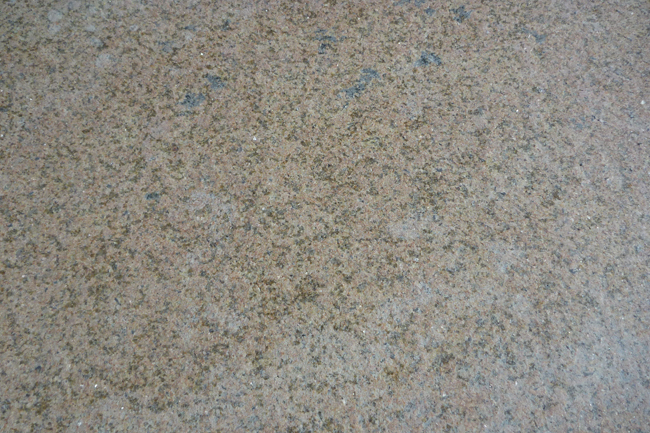
Granite pavers in Melbourne are becoming the go-to choice for homeowners who want durability without compromising on aesthetics. If you have been debating between granite and bluestone for a driveway, pool surround or entertaining area, the answer may surprise you. Granite consistently outperforms most natural stones under heavy vehicle loads, pool chemical exposure and Melbourne’s unpredictable temperature swings. Furthermore, it demands less ongoing maintenance than many homeowners expect.
This guide covers everything worth knowing before you commit. Topics include flamed versus honed finishes, genuine driveway load capacity, sealing requirements, cost expectations, and how granite stacks up against bluestone, limestone and porcelain. By the end, you will know exactly which paving option suits your project and your budget.
Quick Facts: Granite as a Paving Material
- Granite is an igneous rock formed under intense heat and pressure, making it one of the hardest natural stones on earth.
- According to Geoscience Australia, granite has a Mohs hardness rating of approximately 6 to 7, compared to bluestone at roughly 5 to 6.
- Granite’s water absorption rate is typically below 0.5%, making it highly resistant to staining and frost damage.
- Natural granite has been used in paving applications for centuries, with documented examples lasting over 100 years in high-traffic settings.
- Flamed granite finishes are tested to meet slip-resistance standards relevant to Australian outdoor applications. See Standards Australia for technical guidance.
Why Granite Stands Out Among Natural Stone Options in Melbourne
Melbourne homeowners have more paving choices than ever before. However, not every stone handles local conditions equally. Granite earns its reputation through a combination of extreme hardness, low porosity and genuine longevity. Unlike softer stones such as sandstone or limestone, granite rarely chips or flakes under sustained use.
Additionally, granite’s mineral composition resists the alkaline and acidic compounds found in pool water, garden fertilisers and vehicle fluids. This makes it a practical choice for areas that see real daily use, not just showcase patios. Moreover, Melbourne’s notorious four-seasons-in-one-day climate tests every outdoor material. Granite simply handles those swings without expanding, contracting or cracking in the way that some softer stones do.
At Domko, the granite range includes several distinct options. Indian Black Granite Flamed and Black Granite Flamed are consistently popular for driveways and contemporary outdoor designs. White Granite suits lighter, more formal landscape designs. Each product brings structural integrity alongside strong visual appeal.
Exploring other natural stone options? Browse the full Granite range at Domko for current stock and sizing information.
Verified Fact – Geoscience Australia
Granite is classified as a plutonic igneous rock composed primarily of quartz, feldspar and mica. Its formation under high pressure gives it a compressive strength typically ranging from 130 to 234 MPa, placing it among the strongest commercially used paving stones. Source: Geoscience Australia
Flamed vs Honed Granite Finish: Which One Is Right for Your Project?
Choosing between a flamed and honed granite finish is one of the most common decisions homeowners face. Both options look stunning, but they serve different purposes. Understanding the difference saves time and prevents costly mistakes.
The Case for Flamed Granite
Flaming involves exposing the granite surface to intense heat, which causes certain minerals to pop and fracture. The result is a coarse, textured finish that dramatically improves wet slip resistance. Consequently, flamed granite is the preferred choice for pool surrounds, sloped driveways and areas exposed to Melbourne rainfall.
Furthermore, flamed finishes tend to hide minor surface scratches and imperfections better than polished alternatives. Over time, a flamed driveway looks characterful rather than worn. Products like Indian Black Granite Flamed demonstrate this finish beautifully, combining bold dark tones with a reliably grippy surface.
The Case for Honed Granite
Honed granite offers a smooth, matte surface with a refined appearance. It is smoother than flamed but far less polished than mirror-finished granite. As a result, honed granite works well in covered outdoor areas, indoor extensions and feature paths where aesthetics take priority.
However, honed surfaces do require more attention in wet areas. They can become slippery underfoot after rain. Therefore, for exposed outdoor Melbourne applications, a flamed or bush-hammered finish is generally the safer recommendation.
| Feature | Flamed Granite | Honed Granite |
|---|---|---|
| Slip Resistance | High (textured surface) | Moderate (smooth matte) |
| Outdoor Suitability | Excellent | Good (covered areas) |
| Aesthetic Style | Rugged, natural, bold | Clean, refined, modern |
| Pool Surrounds | Strongly recommended | Use with caution |
| Scratch Concealment | Excellent | Moderate |
| Maintenance Frequency | Low | Low to moderate |
Comparison based on general industry knowledge and published stone supplier guidance. Always confirm with your installer.
Granite Pavers for Driveways: Load Strength That Actually Matters
Driveway paving in Melbourne must handle more than foot traffic. Most residential driveways carry passenger vehicles regularly. Many also support delivery trucks, trailers or caravans. Therefore, the structural performance of your chosen paving material is not a secondary consideration.
Granite pavers, particularly when laid on a properly prepared concrete subbase, handle these loads with ease. Granite’s high compressive strength means it resists cracking and surface depression even under sustained heavy contact. In contrast, softer stones can indent or chip around edges when subjected to repeated tyre pressure over time.
The Granite Cobble Stone range at Domko is particularly well-suited to driveway applications. These smaller-format pavers distribute load across more joints, which reduces concentrated stress points. Additionally, the natural texture of cobblestone granite provides traction for vehicles in wet weather, which is a genuine safety advantage.
Granite vs Bluestone Pavers: An Honest Comparison for Melbourne Homes
The granite versus bluestone debate is one of the most frequently asked questions on Australian renovation forums and Google’s People Also Ask results. Both stones are excellent. However, they suit different projects and different homeowner priorities.
Bluestone is a dense basalt, quarried extensively in Victoria. It carries a distinctly local character, particularly in heritage Melbourne streetscapes. Its blue-grey tones complement period homes and traditional garden designs well. Consequently, bluestone paving remains one of Domko’s most popular categories, with options including Bluestone Bullnose and Bluestone Crazy-Random Paving.
Granite, however, edges ahead in several measurable ways. It is harder, denser and more resistant to acid etching from pool chemicals and fertilisers. Furthermore, granite’s colour range is broader, spanning deep blacks, warm greys, creamy whites and even warm gold tones through products like Yellow Cobble. If colour variety and maximum durability are your primary goals, granite has the advantage.
Bluestone, on the other hand, has a heritage appeal and local availability that granite cannot replicate. For a classic Victorian or Edwardian Melbourne home, bluestone simply looks the part.
Verified Fact – Wikipedia / Geological Sources
Bluestone, as used in Melbourne, refers to basalt. According to Wikipedia’s entry on basalt, it has a compressive strength typically between 100 and 300 MPa. However, as a volcanic rock it is more susceptible to acid attack from pool chemicals than granite’s quartz-dominant composition. Confirm specific product ratings with your supplier before installation.
Using Granite Pavers Around Pools in Melbourne: What Works Best
Pool surrounds present unique challenges. The surface must resist chlorine and salt, stay cool enough to walk on barefoot, provide adequate wet slip resistance and drain efficiently. Granite satisfies all of these criteria when the correct finish is chosen.
Flamed or bush-hammered granite is the standard recommendation for pool coping and surrounds. The textured surface grips wet feet reliably, reducing the risk of slipping at the pool edge. Moreover, granite’s low water absorption means it does not harbour algae or mould the way more porous stones can.
Darker granites do absorb more radiant heat in direct sun. Therefore, for pools used primarily during Melbourne summers, lighter tones such as White Granite are worth considering. They stay noticeably cooler and reflect light into the pool, enhancing the overall visual effect.
Additionally, granite pairs naturally with complementary pool coping options. Domko stocks pool coping and stepping stones that integrate well with granite surrounds for a cohesive outdoor design.
Do Granite Pavers Actually Need Sealing? The Honest Answer
Sealing is perhaps the most debated topic in the natural stone paving world. Many homeowners assume all natural stone requires aggressive sealing schedules. The reality for granite is more nuanced.
Granite is notably denser and less porous than travertine, limestone or sandstone. Its water absorption rate typically sits below 0.5%. As a result, unsealed granite performs remarkably well in outdoor conditions. It will not absorb water and crack in the way that high-porosity stones might.
However, sealing granite every three to five years offers real practical benefits. It creates a surface barrier against oil spills from vehicles, barbecue drippings and organic staining from leaves and garden soil. Additionally, sealed granite is far easier to clean. A simple rinse or mop typically restores the surface without chemical scrubbing.
For Melbourne driveways, where oil and fuel contact is likely, sealing is a worthwhile investment. For covered outdoor areas or formal garden paths with lower contamination risk, sealing is still beneficial but less urgent. Always use an impregnating sealer specifically formulated for granite or dense natural stone.
How Granite Compares to Limestone, Travertine and Porcelain in Melbourne
Granite is not the only premium paving material worth considering. Understanding how it compares to other popular options helps you make a well-informed decision for your specific project.
Granite vs Limestone
Limestone paving offers a soft, warm aesthetic that suits coastal and Mediterranean-style homes. However, limestone is significantly softer than granite and more vulnerable to acid etching. Pool chemicals, citrus spills and acidic soil can mark limestone surfaces permanently. Granite, by contrast, resists acid attack far better due to its quartz composition.
Granite vs Travertine
Travertine paving, including products like TRAVERTINE SILVER and TRAVERTINE CLASSIC, is loved for its warmth and natural veining. However, travertine’s characteristic pores require filling and regular sealing to prevent contamination. Granite needs far less intervention while delivering comparable or superior longevity.
Granite vs Porcelain
Porcelain tile is essentially non-porous and requires minimal sealing. It offers precise, consistent sizing that makes installation straightforward. However, porcelain is manufactured rather than natural and can look clinical compared to the organic variation of granite. Furthermore, porcelain can crack under point loads from stiletto heels or dropped heavy objects in ways that granite rarely does.
Maintenance Schedules and Long-Term Costs for Granite in Melbourne
One of granite’s most underrated selling points is its genuinely low maintenance demand. Many homeowners overestimate how much upkeep natural stone requires. Granite, in particular, rewards neglect far better than softer stone alternatives.
A realistic maintenance schedule for outdoor granite paving in Melbourne looks like this. Sweep or hose down the surface weekly to prevent leaf staining and dirt build-up. Apply a pH-neutral stone cleaner and scrub quarterly in high-use areas such as driveways and entertaining zones. Reseal every three to five years using a quality impregnating sealer. Inspect mortar joints annually and repoint where needed to prevent water ingress beneath the slab.
By comparison, travertine requires more frequent sealing due to higher porosity. Limestone needs acid-avoidance protocols that granite does not. Sandstone can erode in Melbourne’s weather if not properly maintained. Therefore, over a ten to twenty year timeframe, granite’s maintenance costs are typically lower despite a higher upfront material cost.
Important Disclaimer – Pricing Information
The following cost guidance is indicative only, based on general market knowledge as of mid-2026. Granite paving prices fluctuate with import costs, quarry availability and exchange rates. Always request current quotes from licensed paving contractors and stone suppliers before making financial decisions. Do not rely on any published price range as a current market guarantee.
As a general mid-2026 reference: supply-only granite pavers in Melbourne typically range from approximately $60 to $160 per square metre depending on grade, thickness and origin. Installed costs including subbase preparation, bedding and labour generally add $80 to $180 per square metre. Total installed costs for a standard residential driveway or patio commonly fall between $150 and $350 per square metre.
Granite Cobblestone Driveways in Melbourne: A Timeless Choice
Granite cobblestone driveways occupy a special place in Melbourne’s residential landscape. They reference the heritage bluestone cobblestone streets that define inner Melbourne, but bring contemporary strength and colour variety to modern homes.
The Granite Cobble Stone format from Domko suits both traditional and contemporary Melbourne homes remarkably well. The smaller paver format creates natural visual interest through its varied joint pattern. Moreover, cobblestone driveways drain surface water efficiently through the joints, reducing pooling during Melbourne’s heavy autumn and winter rain events.
Installation of granite cobblestones requires more labour than large-format slabs. Each stone is set individually into a mortar bed, which demands skill and patience. However, the resulting surface is extremely durable, repairable and visually unique. A well-laid granite cobblestone driveway also adds tangible kerb appeal that translates into real property value.
Crazy Paving and Natural Stone Combinations with Granite
Granite does not need to stand alone in a design. Many of Melbourne’s most striking outdoor spaces combine granite with complementary natural stones for textural contrast and visual depth.
Crazy paving works particularly well as a contrast material alongside formal granite paving. The organic, irregular shapes of crazy paving soften the precision of granite slabs and add movement to large outdoor areas. Similarly, stepping stones in complementary tones create practical pathways that guide movement through garden spaces.
Stack stone feature walls also pair naturally with granite pavers. The textural combination of vertical stack stone and horizontal granite creates a layered outdoor design that feels considered and well-executed. Browse Domko’s stack stone range for options that complement granite tones.
Installation Principles for Granite Paving in Melbourne
Getting the installation right determines how long your granite paving performs and how good it looks over time. Cutting corners on subbase preparation is the single most common cause of paving failure in Melbourne residential projects.
For foot traffic areas such as patios and garden paths, a compacted granular base followed by a sand or mortar bed is typically adequate. The granite slabs bed into mortar and are jointed to prevent movement and weed ingress.
For driveways, a reinforced concrete subbase is strongly recommended. This distributes vehicle loads evenly across the subgrade and prevents individual pavers from rocking or settling unevenly over time. Granite’s own strength means nothing if the foundation beneath it shifts.
Pool surrounds require careful waterproofing of the subbase before any paving is laid. Slope should be incorporated into the design to direct water away from the pool edge and toward drainage. Always engage a licensed and experienced paving installer for pool area work, as errors here carry safety implications.
For further guidance on outdoor paving installation standards in Victoria, the Victorian Building Authority provides relevant resources for homeowners.
Colour Consistency in Granite Pavers: What to Realistically Expect
Natural stone is never perfectly uniform. This is part of its appeal. However, granite offers better colour consistency than most natural stones. Its igneous formation process produces relatively stable mineral compositions across a single quarry batch.
That said, variation exists between quarry batches. If you are completing a large project in stages, order your full granite requirement in one consignment to ensure batch consistency. Mixing batches can result in noticeable tonal differences, particularly in darker granites where even slight mineral shifts show clearly.
Products like Black Granite Flamed and Indian Black Granite Flamed carry the most consistent colouring of Domko’s granite range. Lighter granites such as White Granite show more natural veining variation, which many homeowners actively prefer for its organic quality.
Complementary Products That Work With Granite Paving at Domko
A complete outdoor paving project rarely uses a single material. Domko’s range is designed so that different products coordinate naturally, making it straightforward to build a cohesive outdoor space.
- Sandstone Drop-L Shape coping works well around raised garden beds adjacent to granite paved areas.
- Skimmer Lids integrate seamlessly into granite pool surround installations for a clean, finished look.
- Porcelain Tile options can extend the indoor-outdoor flow from tiled interiors into granite-paved outdoor zones.
- Stepping Stones bridge garden areas and create practical movement paths alongside granite entertaining zones.
Frequently Asked Questions About Granite Paving in Melbourne
These questions reflect the most common searches and concerns raised by Melbourne homeowners across Google, Reddit, Quora and Australian renovation forums.
Is granite paving expensive?
Granite sits in the mid-to-premium natural stone range. As a general mid-2026 reference, supply and installation in Melbourne typically ranges from approximately $150 to $350 per square metre depending on finish, grade, thickness and site conditions. Always request current supplier and installer quotes before budgeting. Prices are subject to change.
What is the alternative to granite pavers?
Popular alternatives include bluestone, limestone, travertine, porcelain tile, sandstone and concrete pavers. Each brings different strengths. Bluestone suits heritage Melbourne aesthetics. Travertine works well in warm, resort-style designs. Porcelain offers minimal maintenance. The right choice depends on your design goals, load requirements and maintenance preferences.
Are granite pavers good?
Yes. Granite is among the hardest and most durable natural paving stones available. It handles heavy vehicle loads, pool chemical exposure, Melbourne weather variation and daily foot traffic with minimal degradation. Properly installed granite paving is an excellent long-term investment.
What are granite pavers called?
Granite pavers go by several names depending on format and cut. Common terms include granite setts, granite cobblestones, granite tiles, granite slabs and granite stepping stones. The term “sett” traditionally refers to the smaller cobblestone-style format commonly used in driveways and heritage streetscapes.
What is the life expectancy of granite paving?
Properly installed granite paving routinely lasts 50 to 100 years or more. Heritage granite cobblestone streets in Europe demonstrate this longevity in practice, with many remaining functional and attractive after more than a century. The subbase installation quality is the primary factor affecting lifespan.
How much should a 40m2 patio cost?
As an indicative mid-2026 guide, a fully installed 40 square metre granite patio in Melbourne may range from approximately $8,000 to $18,000 depending on stone grade, finish, subbase requirements and site access. These figures are indicative only. Always obtain current quotes from licensed paving contractors.
Is granite paving slippery when wet?
Polished granite can be slippery when wet. However, flamed, bush-hammered or sandblasted granite finishes provide a textured surface that significantly reduces slip risk. For pool surrounds, driveways and outdoor areas exposed to Melbourne rain, always specify a textured finish.
Do I need to seal granite paving?
Sealing is recommended but not critical for granite’s structural integrity. Granite’s low porosity means unsealed granite still performs well outdoors. However, sealing every three to five years improves stain resistance and simplifies ongoing cleaning. For driveways with oil and vehicle fluid exposure, sealing is a practical worthwhile measure.
Do granite pavers get hot?
Darker granite absorbs more radiant heat than lighter stones. In direct Melbourne summer sun, black granite surfaces can become noticeably warm underfoot. Choosing lighter granite tones such as white or light grey, or adding shade structures, mitigates this effect significantly.
What happens to granite if you don’t seal it?
Unsealed granite remains structurally intact and highly durable. Over time, however, oil, organic matter and certain staining agents can penetrate the surface more readily. Stains on unsealed granite are harder to remove than on sealed surfaces. The stone will not deteriorate, but cleaning becomes more demanding without a sealer.
How to lay granite paving?
Granite paving installation involves compacting a granular subbase, applying a sand or mortar bedding layer, setting each paver with precise alignment and filling joints with mortar or polymeric sand. Driveways require a reinforced concrete subbase. Pool surrounds require waterproofing. Always engage a licensed, experienced paving contractor for structural applications.
What pavers don’t need sealing?
Porcelain pavers are virtually non-porous and require essentially no sealing. Dense bluestone and granite are also low-porosity and need sealing less urgently than travertine, limestone or sandstone. If minimum maintenance is your priority, porcelain is the most appropriate choice, though it lacks the natural character of granite or bluestone.
Can granite pavers handle Melbourne’s climate variations?
Yes. Granite’s low water absorption rate makes it highly resistant to the expansion and contraction caused by Melbourne’s temperature swings. It does not delaminate or crack in response to the temperature variation that causes problems in higher-porosity stones such as sandstone or some limestones.
How does granite compare to porcelain for outdoor paving?
Granite offers a genuine natural aesthetic, greater individual paver thickness and superior load-bearing characteristics. Porcelain is lighter, virtually non-porous and easier to maintain. Granite is the better choice for driveways and heavy-use areas. Porcelain suits contemporary outdoor settings where minimal maintenance is the priority.
Conclusion: Is Granite the Right Paving Choice for Your Melbourne Project?
Granite pavers in Melbourne represent a compelling combination of structural performance, design versatility and genuine long-term value. Whether you are planning a driveway that needs to handle real vehicle loads, a pool surround that must stay safe and attractive for decades, or an entertaining area that makes a genuine design statement, granite consistently delivers.
Compared to bluestone, limestone, travertine and most other natural stones, granite’s density and hardness give it measurable advantages in durability and resistance to staining, chemical exposure and heavy use. Furthermore, its maintenance demands are genuinely lower than many homeowners expect, particularly over a ten to twenty year horizon.
The key decisions come down to finish and colour. Flamed granite for outdoor, wet and pool areas. Honed granite for covered or interior-adjacent applications. Darker tones for bold contemporary designs. Lighter tones for cooler surfaces and brighter aesthetics. Once those choices are made, granite takes care of the rest.
Ready to explore the right granite for your Melbourne project? Domko stocks a comprehensive range of granite pavers, cobblestones, complementary coping and natural stone options from their Doveton showroom. The team is available to advise on finish selection, thickness requirements and quantities.